
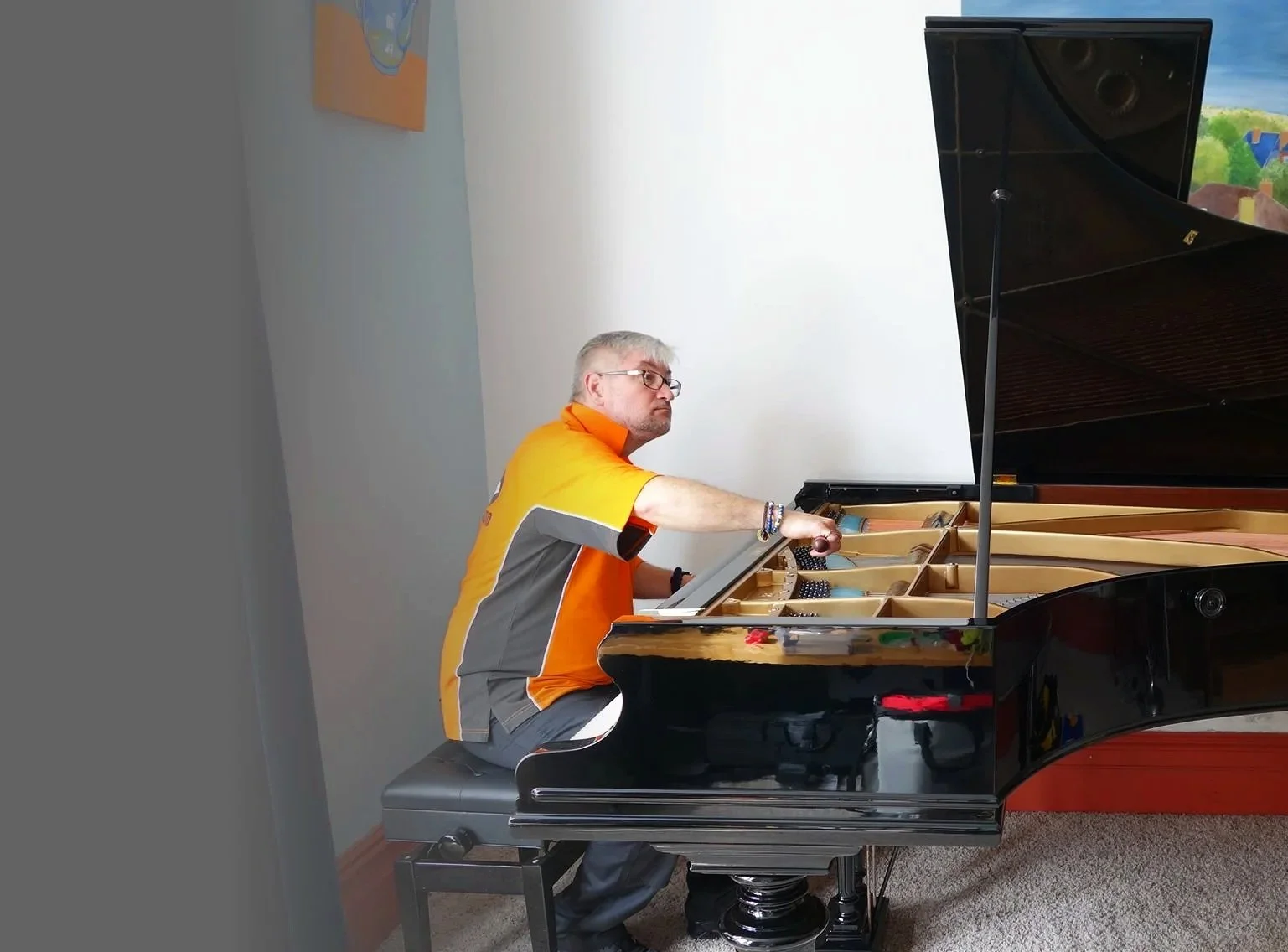
🎹Professional Piano Tuning in Abergavenny, Monmouthshire & South Wales
Keeping your piano sounding its best starts with precise, professional, accredited tuning. I provide expert piano tuning in Abergavenny, Monmouthshire, and across South Wales, ensuring your instrument delivers a clear, balanced tone and stays stable for longer. Whether your piano is played daily, hasn’t been tuned in years, or needs attention before a performance, I offer careful, reliable tuning for upright and grand pianos in homes, schools, studios, and venues.
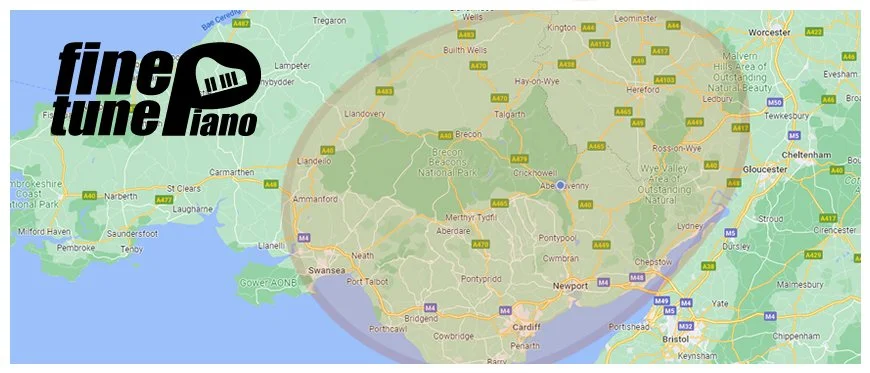
The catchment area includes Abergavenny, Brecon, Cardiff, Cwmbran, Hay-on-Wye, Hereford, Monmouth, Newport, Pontypool, Ross-on-Wye, Swansea and the Welsh Valleys.
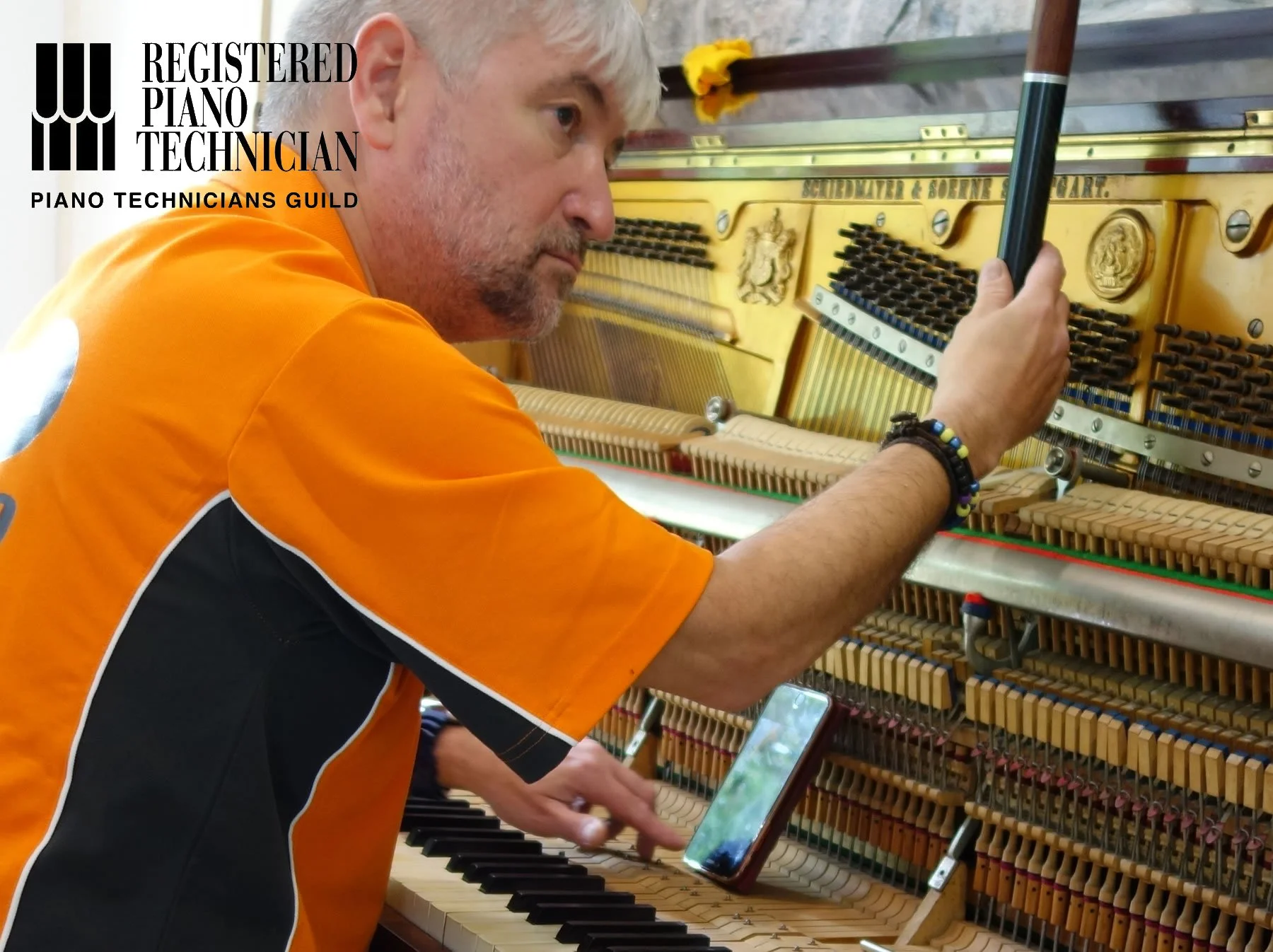
Standard service
A standard service is ideal for clients whose piano has been tuned within the last two years who want to keep the instrument in optimal playing condition. This piano tuning service comprises:
1 hour and 30-minute appointment with an accredited technician
Pure twelfths fine-tuning
15 minutes for running repairs and servicing if required.
£125
Standard Service
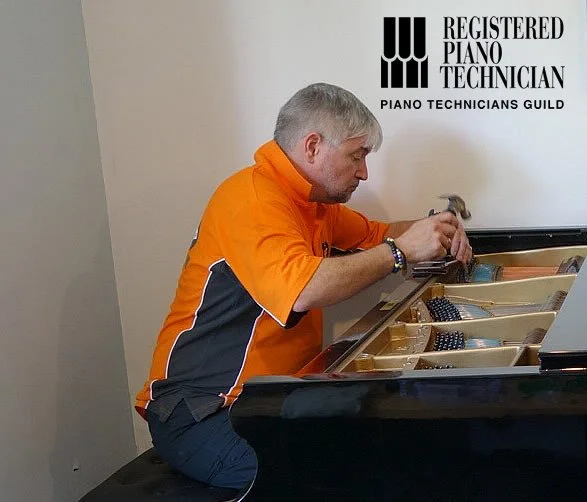
Corrective service
A corrective service is ideal for clients whose piano has not been tuned within the last two years and who want to restore the instrument to its best playing condition. If additional services or repairs are needed to maximise the potential of your piano, you will be provided with an estimate of the cost and have the opportunity to ask any questions. This piano service comprises:
2-hour Appointment with an accredited technician
Pitch correction tuning
Pure twelfths fine tuning
30 minutes for essential repairs and servicing (squeaky pedals, sticking keys, etc.)
£165
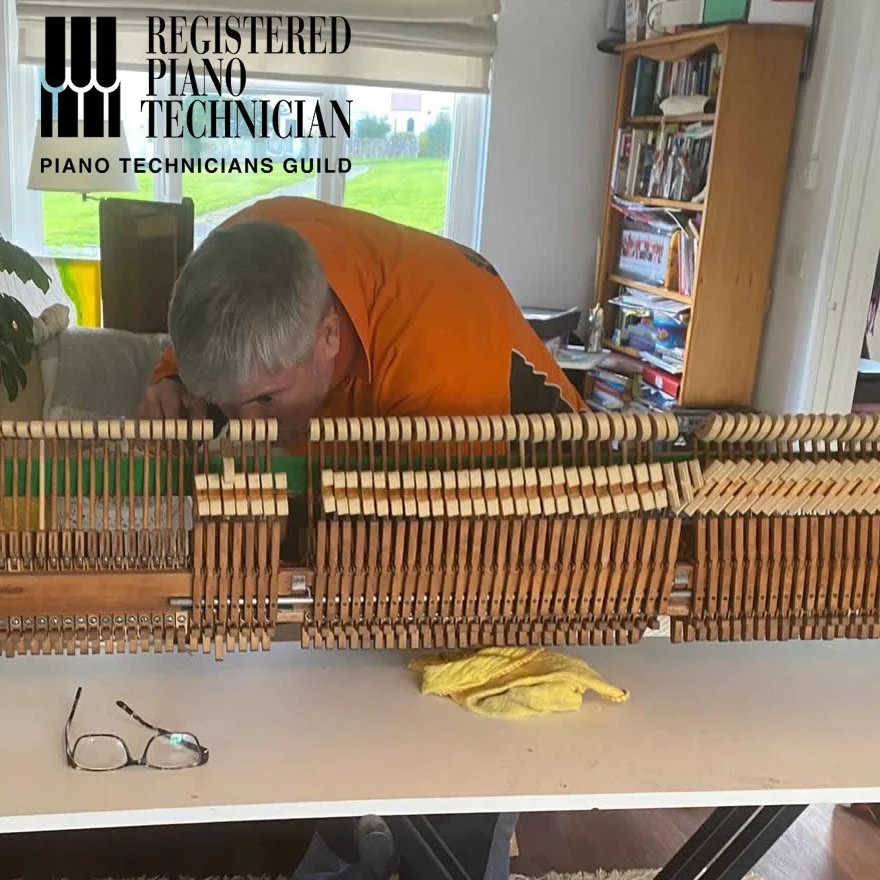
Half day service
A half-day service is designed for clients who want the highest level of attention, seeking enhanced performance, improved tone, and a thorough, all‑round service for their piano.
This piano tuning service includes:
Extended 4-hour Appointment
• Pitch correction tuning
• Pure twelfths fine tuning
• 1 hour for essential repairs and servicing.
• Interior Cleaning (remove detritus from the action and action cavity)
• Touch-up Voicing (improve the tone)
• Touch-up Regulation (improve playability)
£240


Pitch correction
Pianos typically go flat over time. Moving an instrument from one house to another will always be detrimental to the piano tuning. Your previous piano tuner may have been reluctant to bring the instrument back to concert pitch (A440). Humidity (especially in South Wales 😂 ) and temperature also affect the way a piano holds its pitch. Whatever the reasons, the solution is to bring all of the strings to just above their target pitch and once those strings have gotten used to being stretched a bit, they can be fine tuned for a second time to get them sounding lovely again.

